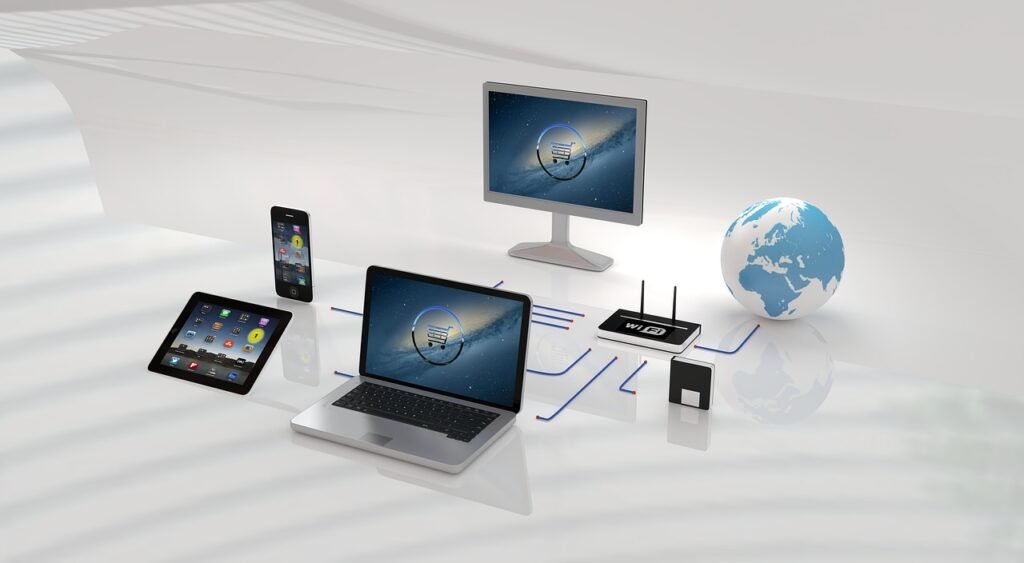
Edge computing is rapidly transforming the way we process and analyze data, moving computation away from centralized data centers and closer to the source of data generation. This distributed computing paradigm offers numerous advantages, including reduced latency, improved bandwidth efficiency, and enhanced privacy and security. But to truly harness the power of edge computing, organizations need robust and reliable edge computing platforms. This article delves into the world of edge computing platforms, exploring their key features, benefits, and real-world applications.
What is an Edge Computing Platform?
An edge computing platform is a comprehensive hardware and software infrastructure that enables the development, deployment, management, and scaling of applications at the edge of the network. These platforms provide the necessary tools and resources to process data locally, closer to the source where it’s generated, rather than sending it to a centralized cloud or data center.
Key Components of an Edge Computing Platform
- Hardware Infrastructure: This includes the physical devices that reside at the edge, such as edge servers, gateways, and specialized devices like industrial PCs or IoT gateways. These devices must be robust, reliable, and capable of operating in diverse environmental conditions.
- Operating System and Containerization: Edge platforms often rely on lightweight operating systems and containerization technologies like Docker or Kubernetes to manage and deploy applications efficiently. Containerization allows for portability and isolation of applications, simplifying deployment and management.
- Data Management and Analytics: These platforms provide tools for data ingestion, processing, storage, and analytics at the edge. This includes capabilities for data filtering, aggregation, and real-time analysis.
- Security Features: Security is paramount in edge computing. Platforms offer security features such as secure boot, data encryption, access control, and intrusion detection to protect sensitive data and devices.
- Management and Orchestration: A robust management and orchestration layer is essential for managing and monitoring edge devices and applications remotely. This includes features for device provisioning, application deployment, software updates, and remote troubleshooting.
Examples of Edge Computing Platforms
Several companies offer comprehensive edge computing platforms. Examples include:
- AWS IoT Greengrass: Extends AWS cloud capabilities to edge devices, enabling local compute, messaging, data caching, and sync capabilities.
- Microsoft Azure IoT Edge: Enables cloud intelligence at the edge by allowing developers to deploy cloud services, such as AI, directly onto IoT devices.
- Google Cloud IoT Edge: Provides a secure and scalable platform for connecting, managing, and ingesting data from edge devices to Google Cloud.
- Dell EMC VxRail: A hyper-converged infrastructure (HCI) solution that can be deployed at the edge for running demanding workloads.
- NVIDIA EGX Platform: A platform designed for running AI and machine learning workloads at the edge, leveraging NVIDIA GPUs for accelerated computing.
Benefits of Using an Edge Computing Platform
Implementing an edge computing platform can bring numerous benefits to organizations across various industries.
Reduced Latency and Improved Performance
- Practical Example: In autonomous vehicles, processing sensor data locally at the edge is critical for real-time decision-making. An edge computing platform enables low-latency processing of data from cameras, radar, and lidar sensors, allowing the vehicle to react quickly to changing conditions.
- By processing data closer to the source, latency is minimized, leading to faster response times and improved performance for applications requiring real-time interaction. This is crucial for applications like industrial automation, augmented reality, and autonomous systems.
Reduced Bandwidth Consumption and Costs
- Practical Example: In smart cities, video surveillance cameras generate massive amounts of data. An edge computing platform can process video data locally, analyzing footage for anomalies or security threats. Only relevant data is transmitted to the central cloud, significantly reducing bandwidth consumption.
- Processing data locally reduces the amount of data that needs to be transmitted to the cloud, resulting in significant cost savings on bandwidth. This is especially beneficial for applications generating large volumes of data, such as video surveillance, industrial IoT, and remote monitoring.
Enhanced Privacy and Security
- Practical Example: In healthcare, sensitive patient data can be processed and stored locally at the edge, reducing the risk of data breaches and ensuring compliance with regulations like HIPAA.
- Edge computing platforms allow organizations to keep sensitive data on-premises, reducing the risk of data breaches and ensuring compliance with data privacy regulations. Data encryption, access control, and secure boot features provide additional security layers.
Increased Reliability and Resilience
- Practical Example: In remote mining operations, internet connectivity can be unreliable. An edge computing platform allows critical applications to continue running even when connectivity is lost, ensuring uninterrupted operations.
- Edge computing enables applications to continue running even when connectivity to the cloud is lost. This is crucial for applications requiring high availability and resilience, such as industrial control systems, emergency response systems, and remote monitoring applications.
Use Cases and Applications of Edge Computing Platforms
Edge computing platforms are transforming industries by enabling new applications and optimizing existing processes.
Industrial IoT (IIoT)
- Application: Predictive maintenance, process optimization, and quality control.
- Details: Edge platforms analyze sensor data from industrial equipment in real-time to detect anomalies, predict failures, and optimize manufacturing processes. For example, an edge platform can analyze vibration data from a motor to predict when it needs maintenance, preventing costly downtime.
Retail
- Application: Personalized shopping experiences, inventory management, and fraud detection.
- Details: Edge platforms can analyze data from in-store cameras and sensors to understand customer behavior, personalize offers, and optimize inventory levels. For example, an edge platform can detect when a shelf is empty and alert staff to restock it.
Healthcare
- Application: Remote patient monitoring, telehealth, and medical imaging analysis.
- Details: Edge platforms enable real-time monitoring of patient vital signs, allowing healthcare providers to respond quickly to emergencies. For example, an edge platform can analyze data from wearable sensors to detect signs of a heart attack and alert emergency services.
Autonomous Vehicles
- Application: Real-time navigation, obstacle avoidance, and autonomous driving.
- Details: Edge platforms process data from cameras, radar, and lidar sensors to enable autonomous vehicles to navigate safely and efficiently. For example, an edge platform can detect a pedestrian crossing the street and instruct the vehicle to brake.
Smart Cities
- Application: Smart traffic management, public safety, and environmental monitoring.
- Details: Edge platforms analyze data from sensors and cameras to optimize traffic flow, detect crime, and monitor air quality. For example, an edge platform can adjust traffic light timings based on real-time traffic conditions to reduce congestion.
Choosing the Right Edge Computing Platform
Selecting the right edge computing platform is crucial for achieving successful edge deployments. Consider these factors:
Hardware Requirements
- CPU, Memory, and Storage: Determine the processing power, memory, and storage capacity required for your applications. Consider the types of workloads you will be running and the amount of data you will be processing.
- Environmental Conditions: Choose hardware that can withstand the environmental conditions at the edge, such as temperature, humidity, and vibration. Industrial-grade hardware is often required for harsh environments.
- Connectivity Options: Ensure the platform supports the necessary connectivity options, such as Wi-Fi, cellular, and Ethernet.
Software Capabilities
- Operating System and Containerization: Select a platform that supports the operating system and containerization technologies that you are familiar with. Docker and Kubernetes are popular choices for managing edge applications.
- Data Management and Analytics: Choose a platform that provides the necessary tools for data ingestion, processing, storage, and analytics at the edge. Consider the types of analytics you will be performing and the data formats you will be working with.
- Security Features: Ensure the platform offers robust security features, such as secure boot, data encryption, access control, and intrusion detection.
Management and Orchestration
- Remote Management: Select a platform that allows you to remotely manage and monitor edge devices and applications. This includes features for device provisioning, application deployment, software updates, and remote troubleshooting.
- Scalability: Choose a platform that can scale to support a large number of edge devices and applications.
- Integration with Existing Infrastructure: Ensure the platform integrates seamlessly with your existing cloud and on-premises infrastructure.
Challenges and Considerations
While edge computing platforms offer significant benefits, there are also challenges to consider:
Security
- Challenge: Securing edge devices and data is crucial due to the distributed nature of edge deployments.
- Solution: Implement robust security measures, such as secure boot, data encryption, access control, and intrusion detection.
Management
- Challenge: Managing a large number of edge devices remotely can be complex and time-consuming.
- Solution: Utilize a centralized management platform with features for device provisioning, application deployment, and remote monitoring.
Connectivity
- Challenge: Unreliable or intermittent connectivity can disrupt edge operations.
- Solution: Design applications to be resilient to connectivity issues and consider using offline processing capabilities.
Skills Gap
- Challenge: Deploying and managing edge computing platforms requires specialized skills.
- Solution: Invest in training and development to build in-house expertise or partner with a managed service provider.
Conclusion
Edge computing platforms are essential for organizations looking to leverage the power of edge computing. By processing data closer to the source, these platforms enable reduced latency, improved bandwidth efficiency, enhanced privacy and security, and increased reliability. As the number of IoT devices and edge applications continues to grow, edge computing platforms will become increasingly important for enabling new innovations and optimizing existing processes across various industries. Choosing the right platform requires careful consideration of hardware requirements, software capabilities, and management features. By addressing the challenges and carefully planning their deployments, organizations can successfully harness the power of edge computing and gain a competitive advantage.