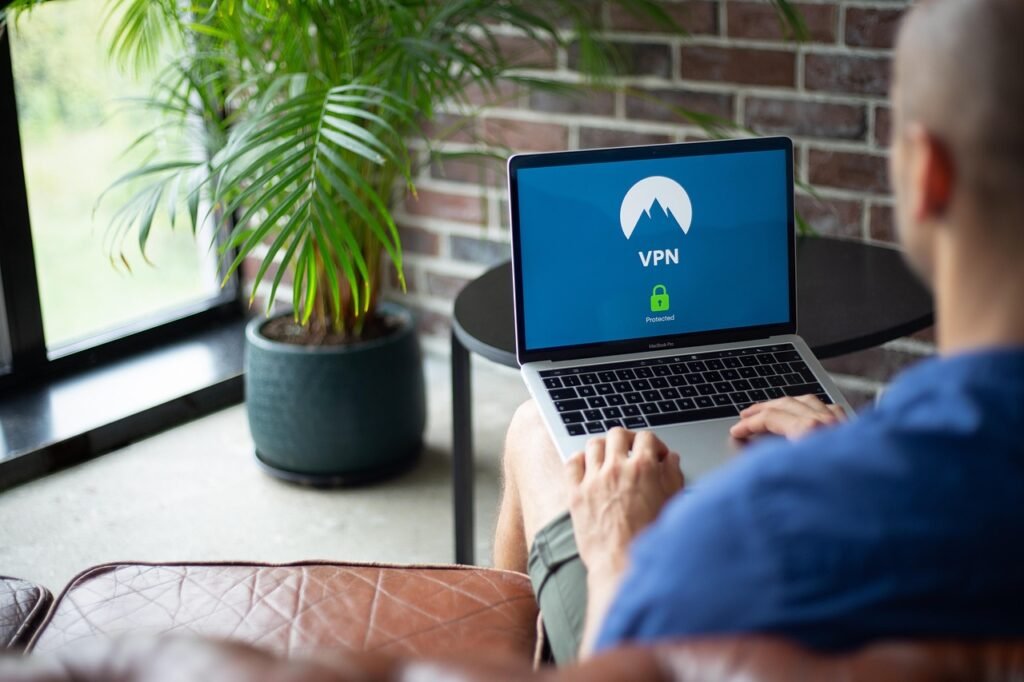
Secure data transfer is paramount in today’s digital landscape, where sensitive information is constantly being exchanged between individuals, businesses, and organizations. Protecting data during transit from unauthorized access, breaches, and cyber threats is not just good practice; it’s a necessity for maintaining trust, complying with regulations, and preserving competitive advantage. This article provides a comprehensive guide to understanding and implementing secure data transfer practices.
Understanding the Importance of Secure Data Transfer
What is Secure Data Transfer?
Secure data transfer refers to the methods and technologies used to protect data while it is being transmitted from one location to another. This includes ensuring confidentiality, integrity, and availability (CIA) of the data. Essentially, it guarantees that only authorized parties can access the data, that the data remains unaltered during transmission, and that the data is accessible when needed.
Why is Secure Data Transfer Crucial?
The consequences of insecure data transfer can be severe, ranging from financial losses and reputational damage to legal liabilities and regulatory fines. Here’s why prioritizing secure data transfer is vital:
- Protection Against Data Breaches: Preventing unauthorized access to sensitive information like financial records, personal data, and intellectual property.
- Compliance with Regulations: Meeting the requirements of data protection laws such as GDPR, HIPAA, and PCI DSS.
- Maintaining Customer Trust: Demonstrating a commitment to protecting customer data, fostering trust, and enhancing brand reputation.
- Avoiding Financial Losses: Preventing costly data breach incidents, including recovery expenses, legal fees, and fines. A study by IBM found that the average cost of a data breach in 2023 was $4.45 million.
- Preserving Competitive Advantage: Protecting proprietary information and trade secrets from competitors.
Common Threats to Data Transfer
Several threats can compromise data during transfer, making secure practices essential. Some common threats include:
- Eavesdropping: Unauthorized interception of data transmitted over a network.
- Man-in-the-Middle (MITM) Attacks: Interception and alteration of data in transit by malicious actors.
- Data Corruption: Accidental or intentional alteration of data during transmission.
- Phishing and Social Engineering: Tricking individuals into revealing sensitive information or credentials used in data transfer processes.
- Malware and Viruses: Infections that can compromise data integrity and confidentiality.
Methods for Secure Data Transfer
Encryption Techniques
Encryption is a fundamental technique for securing data during transfer. It involves converting data into an unreadable format (ciphertext) using an encryption algorithm and a key. The ciphertext can only be decrypted back into its original form (plaintext) using the correct decryption key.
- Transport Layer Security (TLS) / Secure Sockets Layer (SSL): Protocols used to encrypt communication between a web browser and a web server. For example, when you visit a website with “https” in the address, your browser is using TLS/SSL to encrypt the data being exchanged.
- End-to-End Encryption (E2EE): Encryption where only the sender and receiver can read the messages. Popular messaging apps like Signal and WhatsApp use E2EE.
- VPNs (Virtual Private Networks): Create an encrypted tunnel for data to travel through, masking your IP address and securing your internet connection.
- File Encryption: Encrypting individual files or folders before transferring them. Tools like 7-Zip and VeraCrypt provide file encryption capabilities.
Secure Protocols
Using secure protocols ensures that data is transmitted over a secure channel, minimizing the risk of interception and tampering.
- SFTP (Secure File Transfer Protocol): A secure version of FTP that uses SSH for encryption. SFTP is often used to transfer files between servers.
- HTTPS (Hypertext Transfer Protocol Secure): The secure version of HTTP, using TLS/SSL for encryption. This is crucial for securing web traffic.
- FTPS (FTP Secure): FTP with added SSL/TLS encryption. Less common than SFTP, but still a secure alternative to plain FTP.
- SCP (Secure Copy Protocol): A command-line tool for securely copying files between computers, using SSH for authentication and encryption.
Secure File Sharing Platforms
Leveraging secure file sharing platforms adds layers of protection to data transfer processes.
- Features: Encryption, access controls, audit trails, version control, and multi-factor authentication.
- Examples: Box, Dropbox Business, Google Workspace, Microsoft OneDrive for Business. These platforms offer robust security features for sharing files securely, including encryption in transit and at rest.
- Benefits: Streamlined collaboration, enhanced security, compliance with data protection regulations.
Best Practices for Secure Data Transfer
Strong Authentication and Access Controls
Implementing robust authentication and access control measures is crucial for preventing unauthorized access to data.
- Multi-Factor Authentication (MFA): Requiring multiple verification methods (e.g., password, SMS code, biometric scan) to access data and systems.
- Role-Based Access Control (RBAC): Granting access permissions based on user roles and responsibilities. Only grant the minimum necessary access (principle of least privilege).
- Strong Passwords: Enforcing the use of strong, unique passwords and regularly updating them. Consider using a password manager.
Regular Security Audits and Penetration Testing
Performing regular security audits and penetration testing helps identify vulnerabilities and weaknesses in data transfer processes.
- Security Audits: Comprehensive assessments of security policies, procedures, and controls.
- Penetration Testing: Simulating cyberattacks to identify vulnerabilities and assess the effectiveness of security measures.
- Vulnerability Scanning: Automated tools that scan systems and networks for known vulnerabilities.
Employee Training and Awareness
Educating employees about security risks and best practices is essential for maintaining a strong security posture. A human is often the weakest link in the security chain.
- Security Awareness Training: Educating employees about phishing attacks, social engineering tactics, and other security threats.
- Data Handling Policies: Establishing clear policies and procedures for handling sensitive data during transfer.
- Incident Response Planning: Developing a plan for responding to security incidents, including data breaches.
Data Loss Prevention (DLP) Strategies
Data Loss Prevention (DLP) strategies are essential for preventing sensitive data from leaving the organization’s control.
- Data Classification: Identifying and classifying sensitive data based on its value and risk.
- Content Monitoring: Monitoring data in transit and at rest to detect potential data leaks.
- Endpoint Security: Implementing security measures on endpoint devices (e.g., laptops, smartphones) to prevent data loss.
Tools and Technologies for Secure Data Transfer
Secure FTP Clients
Secure FTP clients provide a secure interface for transferring files using SFTP or FTPS.
- Examples: FileZilla, Cyberduck, WinSCP. These clients support encryption and authentication features to ensure secure file transfers.
- Features: Encryption, authentication, file integrity checks, and secure connections.
Data Encryption Software
Data encryption software allows you to encrypt files and folders before transferring them.
- Examples: VeraCrypt, 7-Zip, BitLocker (Windows). These tools provide strong encryption algorithms to protect data confidentiality.
- Benefits: Protects data confidentiality, prevents unauthorized access, and ensures compliance with data protection regulations.
Network Security Appliances
Network security appliances, such as firewalls and intrusion detection systems, provide a layer of protection against network-based attacks.
- Firewalls: Control network traffic and block unauthorized access.
- Intrusion Detection Systems (IDS): Monitor network traffic for malicious activity and alert administrators.
- Intrusion Prevention Systems (IPS): Actively block malicious traffic and prevent attacks.
Conclusion
Secure data transfer is a critical component of any organization’s security strategy. By understanding the risks, implementing appropriate security measures, and staying informed about emerging threats, you can effectively protect your data and maintain the trust of your customers and stakeholders. Remember to prioritize encryption, use secure protocols, enforce strong authentication, and regularly audit your security practices. A proactive approach to secure data transfer is essential for navigating the complexities of today’s digital landscape.